Ford Recommended Oil Change Interval: Better Engine Protection
Ford recommended oil change interval guide for Ford vehicles. Learn how often to change synthetic oil, protect engine life, and improve performance.

Ford recommended oil change interval guide for Ford vehicles. Learn how often to change synthetic oil, protect engine life, and improve performance.
Learn how to fix the Change Engine Oil Soon Ford warning, reset oil life, check oil condition, and prevent engine damage with proper maintenance steps.
Learn how to fix the “Park Brake Fault Service Now Ford” warning with step-by-step solutions for battery issues, EPB faults, brake actuators, and reset methods.
The Park Brake Malfunction Service Now on a Ford Fusion indicates an EPB system fault caused by actuator sensor or module issues affecting parking brake operation and requiring prompt inspection to en···
Ford F150 electronic parking brake service mode guide. Learn how to activate EPB maintenance mode, replace rear brakes, and reset the system safely.
Most modern vehicles should have their engine oil changed every 5,000 to 10,000 miles (8,000 to 16,000 kilometers) or every 6 to 12 months, whichever comes first.
car ramps can be safely used for an oil change if you buy a quality set, use them correctly, and follow proper safety procedures. Many DIY vehicle owners use car ramps instead of floor jacks because t···
"Service Brake Assist" means the vehicle has detected a fault in the Brake Assist System, which helps provide extra braking force during emergency stops.
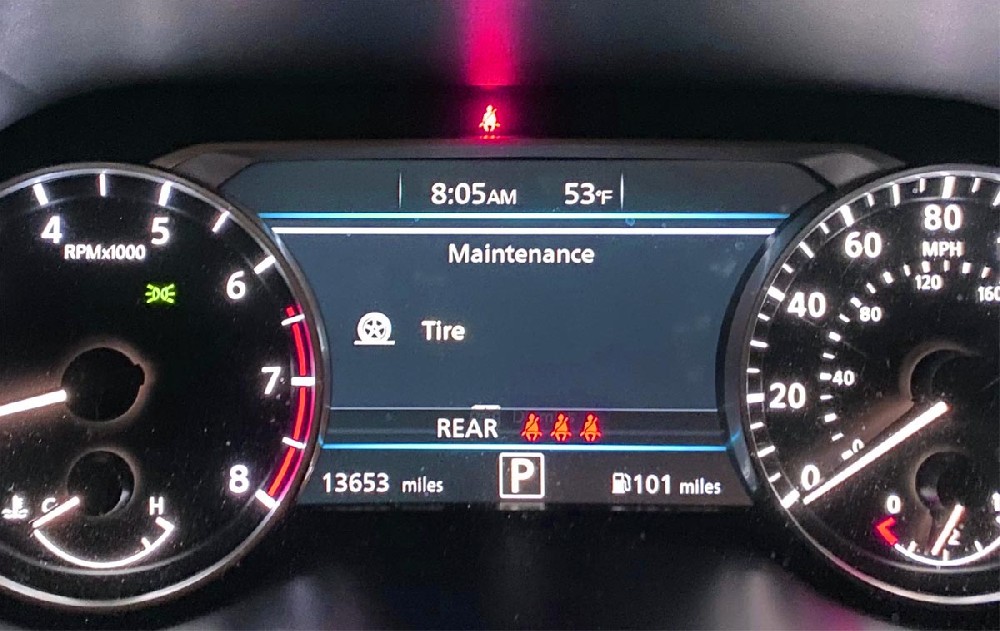 Tire Maintenance
The Nissan Rogue tire maintenance light is a preventive maintenance reminder that helps drivers keep their tires in good condition. It typically indicates that tire rotation or inspection is due rathe···
Effective tire maintenance involves much more than simply inflating tires when they appear low. A comprehensive approach that includes proper inflation, regular rotation, tread inspections, wheel alig···
Maintenance Tire is a maintenance reminder that appears on the dashboard of many vehicles, especially Nissan models. In most cases, it does not indicate a tire failure or an active safety problem.
Proper hybrid car battery maintenance focuses on temperature control, regular vehicle use, cooling system cleanliness, and routine inspections.
Professional car battery maintenance involves regular voltage monitoring, terminal cleaning, cable inspection, charge management, charging system testing, and protection from heat and vibration.
Most vehicles require a cabin air filter replacement every 12,000–15,000 miles (19,000–24,000 km) or once every 12 months. However, the actual replacement interval depends on driving conditions.
A cabin air filter cleans the air that enters your vehicle's interior through the heating, ventilation, and air conditioning (HVAC) system. It traps dust, pollen, dirt, mold spores, smoke particles.