Engine Misfire ♡0 Reads
The Engine Parts That Wear Most Easily and WhySeveral engine components naturally receive more wear than others because they o···

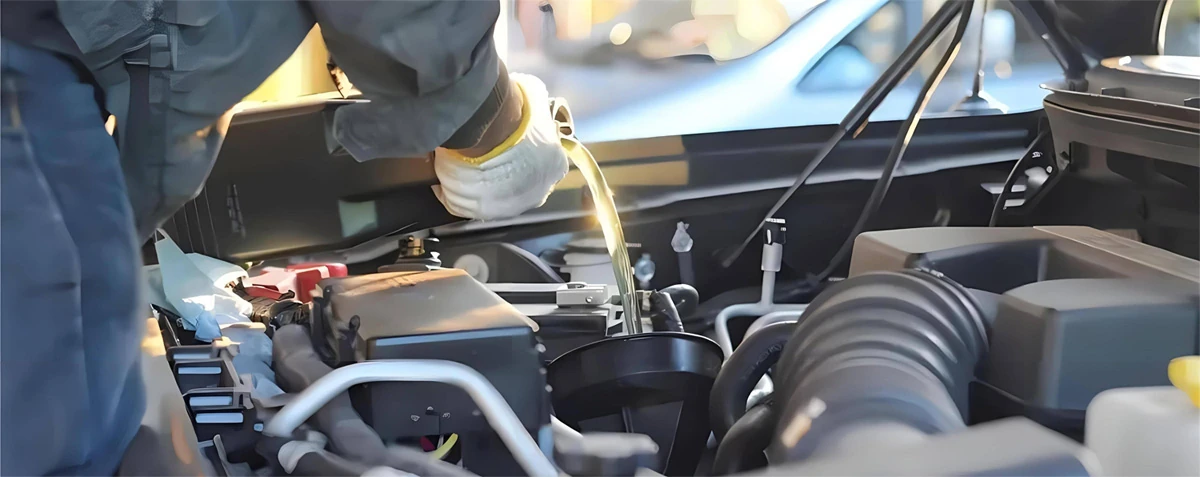
Several engine components naturally receive more wear than others because they o···
A flashing traction control light accompanied by power loss is most commonly cau···
Answer: Yes. An exhaust leak can definitely cause a loss of power, especially if···
Low-speed acceleration power loss is most commonly caused by fuel delivery issue···
Professional Diagnosis Tip: If power loss occurs only during heavy acceleration,···
In summary, loss of power while driving is most commonly caused by fuel delivery···
You can usually tell your transmission is going out or has failed when the vehicle can no longer transfer engine power to the wheels correctly. The most common signs include,
You can usually tell your transmission has gone out when the vehicle can no longer transfer engine power to the wheels correctly. The most common signs include:
You can usually tell a transmission is slipping by how the vehicle behaves when you accelerate or when it changes gears. Common signs include:
Yes, low transmission fluid can cause the Check Engine Light to come on, although it may not happen immediately. When transmission fluid is too low, the transmission may lose hydraulic pressure and ov···
A slipping transmission usually feels like the engine and transmission are no longer staying properly connected. You may press the accelerator and hear the engine RPM rise, but the vehicle does not ac···
There is no exact mileage limit for how long you can drive with a bad transmission. A failing transmission might last a few miles, several hundred miles, or fail completely on your next trip.
A failing transmission usually gives warning signs before it completely stops working. Common symptoms include: Delayed engagement: The vehicle hesitates before moving after shifting into Drive or Rev···
Common causes include: Engine misfires – Bad spark plugs, ignition coils, injectors, or fuel problems can cause jerking that feels like rough shifting. Bad engine or transmission mounts – Worn mount···
Welcome to the website.