Windshield Wiper Fluid Leak
A windshield wiper fluid leak occurs when washer fluid escapes from the reservoir, hoses, pump, or spray nozzles before reaching the windshield.

A windshield wiper fluid leak occurs when washer fluid escapes from the reservoir, hoses, pump, or spray nozzles before reaching the windshield.
The color of a transmission fluid leak depends on the condition and age of the fluid. Identifying the color can help determine whether the leak is coming from the transmission and whether the fluid ne···
Transmission fluid leaks are commonly caused by worn seals and gaskets, damaged transmission pans, leaking cooler lines, faulty transmission coolers, excessive heat, overfilled fluid, clogged vents.
Power steering fluid leaks are commonly red, pink, amber, or brown, depending on the fluid specification and its condition. Fresh fluid is usually bright and clean, while aged or contaminated fluid be···
A leaking brake caliper should never be ignored. Even a small brake fluid leak can lead to loss of hydraulic pressure, reduced braking force, brake failure, and increased accident risk.
A radiator fluid leak should never be ignored. Even a small coolant leak can quickly develop into a major cooling system failure, resulting in overheating and costly engine repairs.
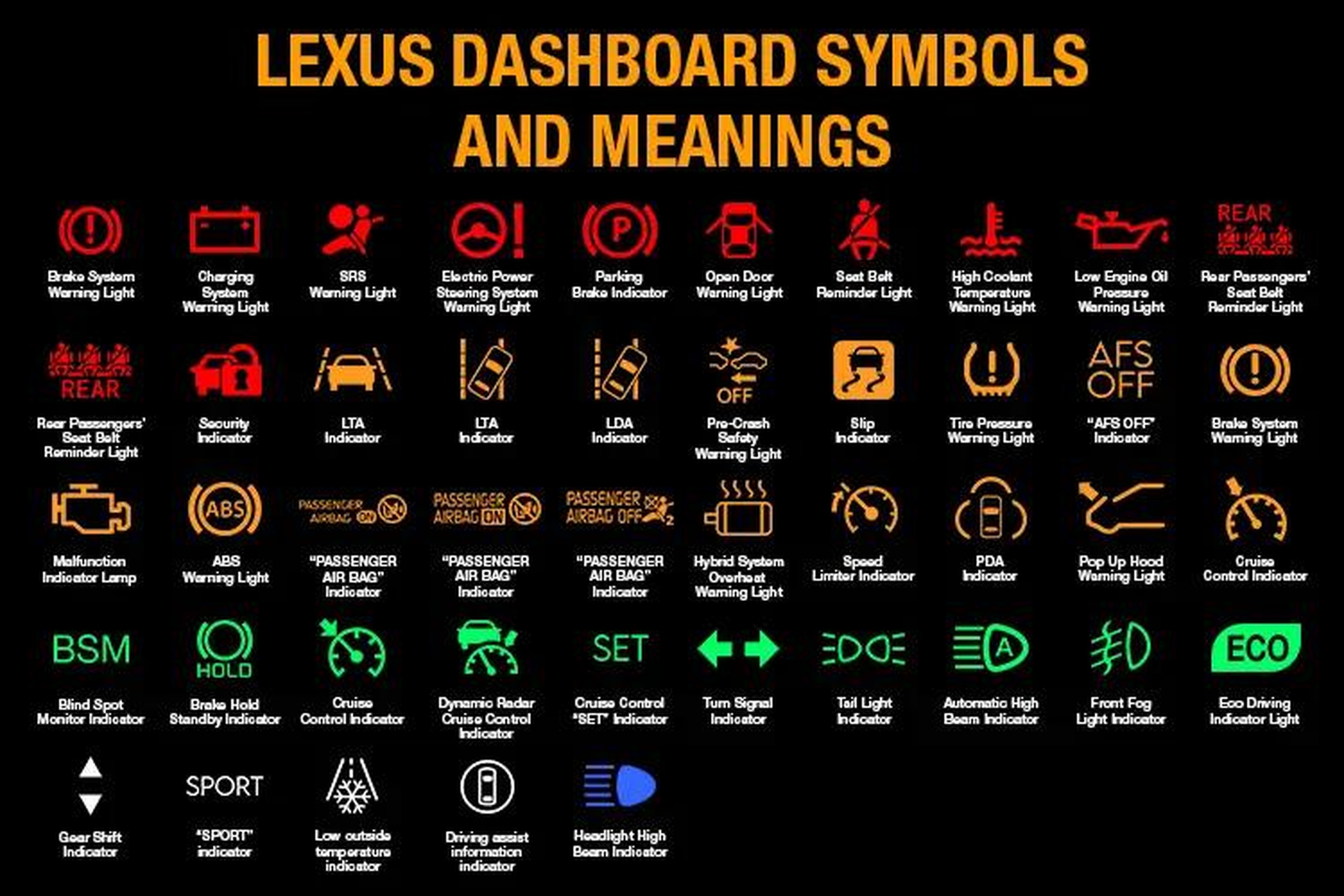 Warning Lights
Red warning lights normally indicate a serious condition requiring immediate attention. Yellow or amber lights usually indicate a fault or maintenance issue that should be checked soon. Green, blue, a···
Power steering pump problems usually begin with hard steering, whining noises, fluid leaks, steering wheel vibrations, and inconsistent steering assistance.
Electronic Power Steering systems provide improved efficiency, reduced maintenance, and enhanced driving comfort compared with hydraulic steering systems.
If steering assistance is suddenly lost while driving, the vehicle should be inspected immediately, as increased steering effort can significantly affect vehicle control and safety.
Rack and pinion steering problems commonly include fluid leaks, worn gears, damaged bushings, steering play, unusual noises, hard steering, and electronic steering assist failures.
Transmission problems can be caused by low fluid levels, worn components, electrical faults, hydraulic pressure loss, or internal mechanical damage.
Transmission problems in a Nissan Pathfinder can range from minor fluid-related issues to major internal transmission failures. Common symptoms include delayed shifting, slipping gears, hard shifting.
Early diagnosis of shuddering, slipping, or harsh shifting is critical because minor problems can quickly develop into major transmission failures.
Most Nissan Murano transmission problems are related to CVT fluid degradation, overheating, valve body failures, worn internal components, or electronic control issues.