Toyota Cvt Transmission Problems And Repair Methods
Toyota CVT transmission problems commonly include hesitation, slipping, overheating, abnormal noises, vibration, and fluid-related issues.

Toyota CVT transmission problems commonly include hesitation, slipping, overheating, abnormal noises, vibration, and fluid-related issues.
Automatic transmission gearbox problems can cause poor shifting performance, reduced fuel efficiency, abnormal noises, vehicle hesitation, or complete transmission failure.
The most common transmission problems are slipping, hard shifting, delayed engagement, overheating, fluid leaks, shuddering, unusual noises, torque converter failure, solenoid faults, and valve body i···
If the transmission hesitates before moving into Drive or Reverse, first verify the fluid level and condition. Low fluid can reduce hydraulic pressure and delay clutch engagement.
If the transmission hesitates when shifting into Drive or Reverse, first verify the fluid level and inspect for leaks. Replace the transmission filter and fluid if contamination is present.
In summary, loss of power while driving is most commonly caused by fuel delivery problems, air intake restrictions, turbocharger faults, ignition system failures.
Professional Diagnosis Tip: If power loss occurs only during heavy acceleration, focus first on fuel pressure, turbo boost pressure, and ignition performance.
Low-speed acceleration power loss is most commonly caused by fuel delivery issues, airflow restrictions, ignition system failures, sensor malfunctions, or transmission problems.
Answer: Yes. An exhaust leak can definitely cause a loss of power, especially if the leak occurs near the exhaust manifold, turbocharger
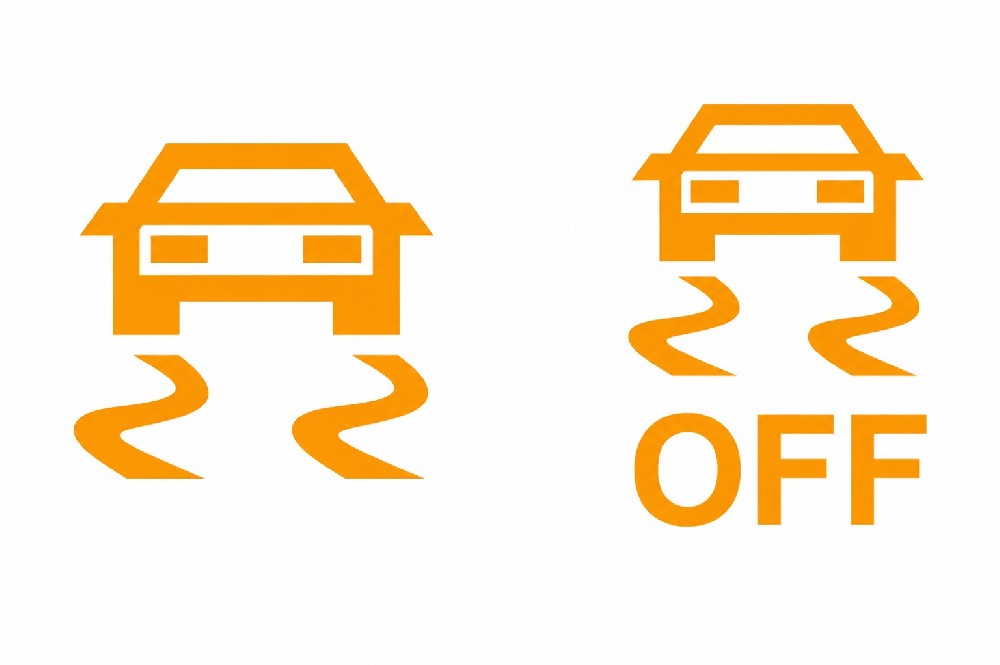
A flashing traction control light accompanied by power loss is most commonly caused by wheel speed sensor faults, ABS system issues, throttle body problems, engine misfires.
 Warning Lights
The traction control light flashes when the system is preventing wheel spin. If it stays on, check tires, sensors, ABS faults, and scan for codes.
 Warning Lights
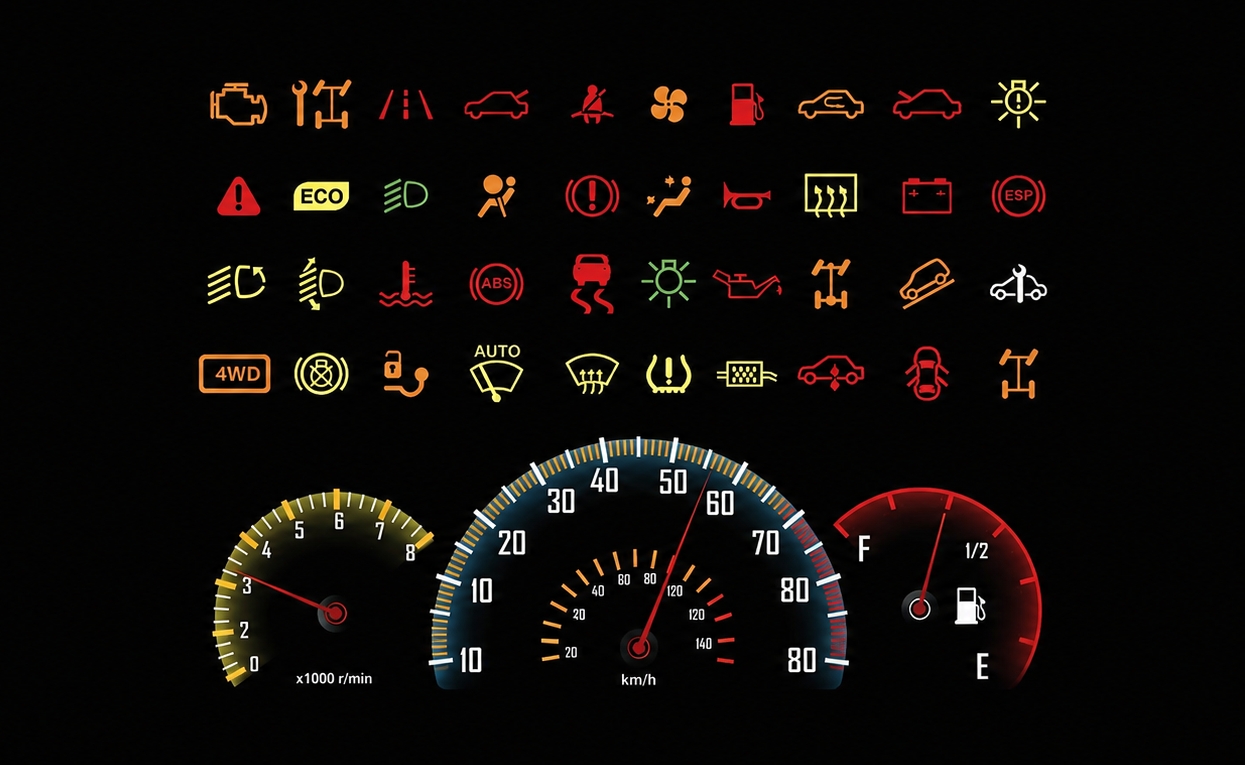
Dashboard warning lights serve as an early detection system for potential vehicle problems. Green or blue lights generally indicate normal system operation.